Alletha: A Modern Serif Font for Elegant Branding
I was staring at a blank brand board last Tuesday, tasked with refreshing the visual identity for a small-batch skincare line that wanted to pivot from "clinical" to "approachable luxury." The client needed something that felt established but not dusty, elegant but not fragile. That's when I pulled Alletha out of my library. As a modern serif font, it sits in that sweet spot where contemporary design meets traditional readability. After testing these specific fonts across logo drafts, packaging mockups, and social media layouts, I can say with confidence that Alletha brings a unique look that solves more problems than it creates.
Testing Alletha for Logo Design and Brand Identity
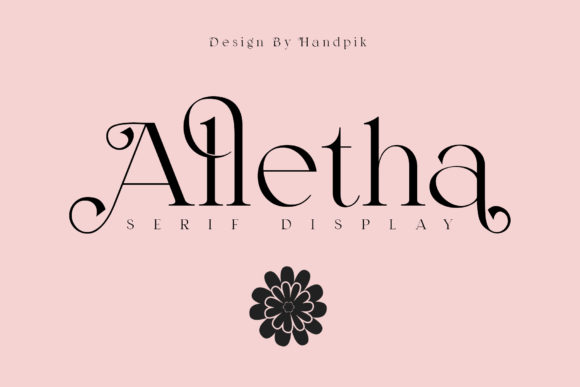
The first place I dropped Alletha was right into the logo concept phase. When you are working with a serif typeface for a primary logotype, the devil is always in the details of the terminals and the stroke contrast. Alletha handles this beautifully; it has enough personality to stand alone as a wordmark without needing excessive iconography. In my initial sketches for the skincare project, I set the brand name in Alletha and immediately noticed how the letterforms created a sense of vertical rhythm. Unlike some decorative fonts that sacrifice legibility for flair, this font maintains excellent clarity even when scaled down for a favicon or a small app icon.
For brand designers, the versatility of Alletha means you aren't locked into one vibe. It feels sophisticated enough for a high-end boutique yet warm enough for a local bakery. When I presented the logo options, the version using Alletha resonated because it didn't scream for attention; instead, it whispered quality. This is often the goal in modern branding—creating an asset that feels timeless rather than trendy. If you are building a brand identity from scratch, starting with a strong serif foundation like this can anchor your entire visual system.
Elevating Packaging Design and Product Labels with Alletha
Once the logo direction was approved, the real test began: packaging. This is where many fonts fail. A typeface might look great on a screen but fall apart when printed on textured paper or curved glass. I applied Alletha to the product labels, specifically looking at how the ink would sit on a matte finish. The result was outstanding. The strokes held their weight, and the spacing between characters allowed the design to breathe. For clothing products or cosmetic jars where label real estate is limited, Alletha provides the necessary hierarchy without cluttering the space.
In the context of physical goods, the font acts as a texture itself. On the skincare bottles, we used Alletha for the primary product names and paired it with a clean sans serif for the ingredient lists. This combination created a professional editorial look, similar to high-end fashion magazines. If you are designing for handmade sellers or online shop owners who rely on unboxing experiences, the way Alletha renders on packaging can significantly influence perceived value. It turns a simple box into a gift, which is crucial for customer retention and social sharing.
Creating Stunning Invitation Cards and Greeting Cards
Beyond commercial branding, I also explored how Alletha performs in the stationery niche. The prompt suggests it is suitable for invitation cards and greeting cards, and my tests confirmed this. There is a specific emotional weight to serifs that scripts sometimes lack; they feel more permanent and formal. I mocked up a wedding invitation suite using Alletha for the main headers and dates. The font's unique look added a layer of sophistication that felt bespoke rather than template-driven.
For crafters and hobbyists selling digital downloads or printed stationery, the choice of font dictates the price point you can command. Alletha elevates the design instantly. Whether it is a holiday card or a formal event invite, the typography carries the mood. I found that it pairs exceptionally well with delicate line art or floral illustrations, common in the greeting card industry. The balance between thick and thin lines in the letterforms mimics the stroke of a calligraphy pen but with the consistency of digital type, making it a reliable choice for both print and digital invitations.
Using Alletha in Web Design and Social Media Graphics
Moving from print to pixel, I implemented Alletha in the website header and hero sections for the project. Web design requires fonts that load quickly and render sharply across different devices. As a modern serif, Alletha translates well to screens, maintaining its character without becoming blurry on lower-resolution displays. I used it for H1 and H2 tags to establish a clear visual hierarchy against the body text. This approach guides the user's eye naturally through the content, improving engagement metrics simply by making the reading experience more pleasant.
Social media graphics also benefit from this typeface. In an Instagram feed dominated by bold sans serifs and loud colors, a post featuring Alletha stands out by offering a moment of calm and elegance. I created a series of quote graphics and product announcement posts where Alletha was the star. The font works particularly well for short phrases and headlines where you want to convey authority and style. However, it is important to note that for long-form captions or dense blocks of text, you should pair it with a highly readable sans serif to ensure accessibility and comfort for the reader.
Practical Tips for Pairing and Licensing Alletha
No font exists in a vacuum, and getting the most out of Alletha depends on how you pair it. Since it is a serif with distinct personality, it plays nicely with neutral sans serif fonts for body copy. Avoid pairing it with another decorative serif or a competing script, as this can create visual noise. For a cohesive modern typography system, keep the supporting fonts simple and let Alletha do the heavy lifting for headlines and logos. Before finalizing any client work, always review the specific file formats and included styles to ensure you have the weights you need for various applications.
Finally, a crucial reminder for all creatives: always check the commercial font licensing before using Alletha in client projects. Whether you are designing a logo for a startup, creating templates for sale, or printing merchandise for a clothing line, understanding the license terms protects you and your client. Ensure the license covers your intended use case, whether that is webfont embedding, app integration, or large-scale print production. By respecting these guidelines and choosing the right tools, you can create outstanding designs that stand the test of time.